On September 9, Apple held its traditional fall keynote, where it unveiled the new iPhone 17 lineup, as well as updated Apple Watches and AirPods Pro 3. This year’s event was a combination of expected upgrades and strategic decisions that demonstrate the company’s approach to navigating fierce competition and geopolitical challenges.
Photo: apple.com
What’s New with the iPhone 17? Key Features
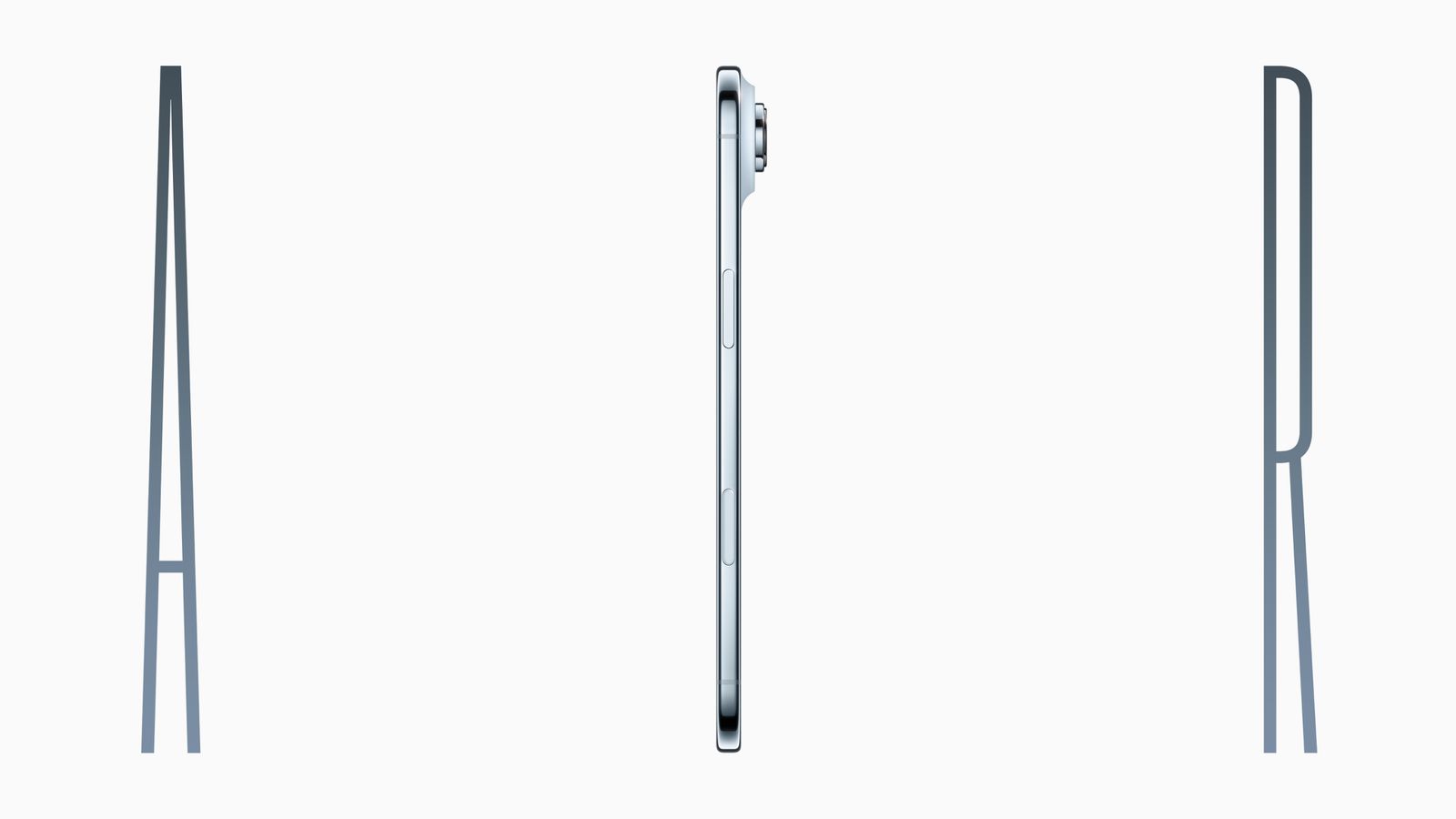
The iPhone 17 lineup consists of four models: the base iPhone 17, the ultra-thin iPhone 17 Air, the flagship iPhone 17 Pro, and the top-tier iPhone 17 Pro Max. Overall changes include a refreshed design, improved performance, and enhanced camera capabilities, making these devices a significant step forward.
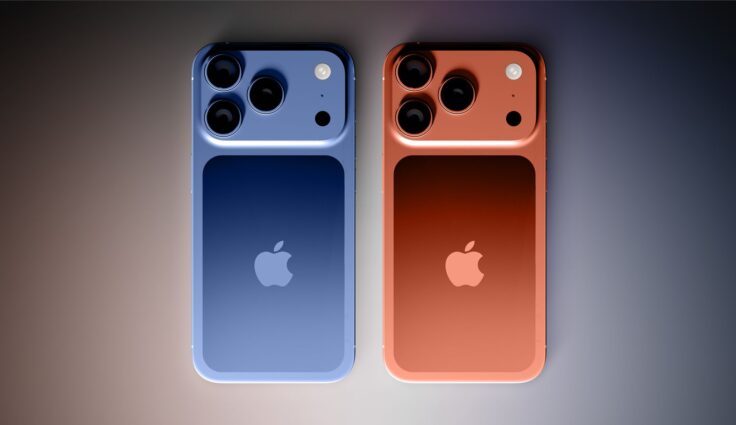
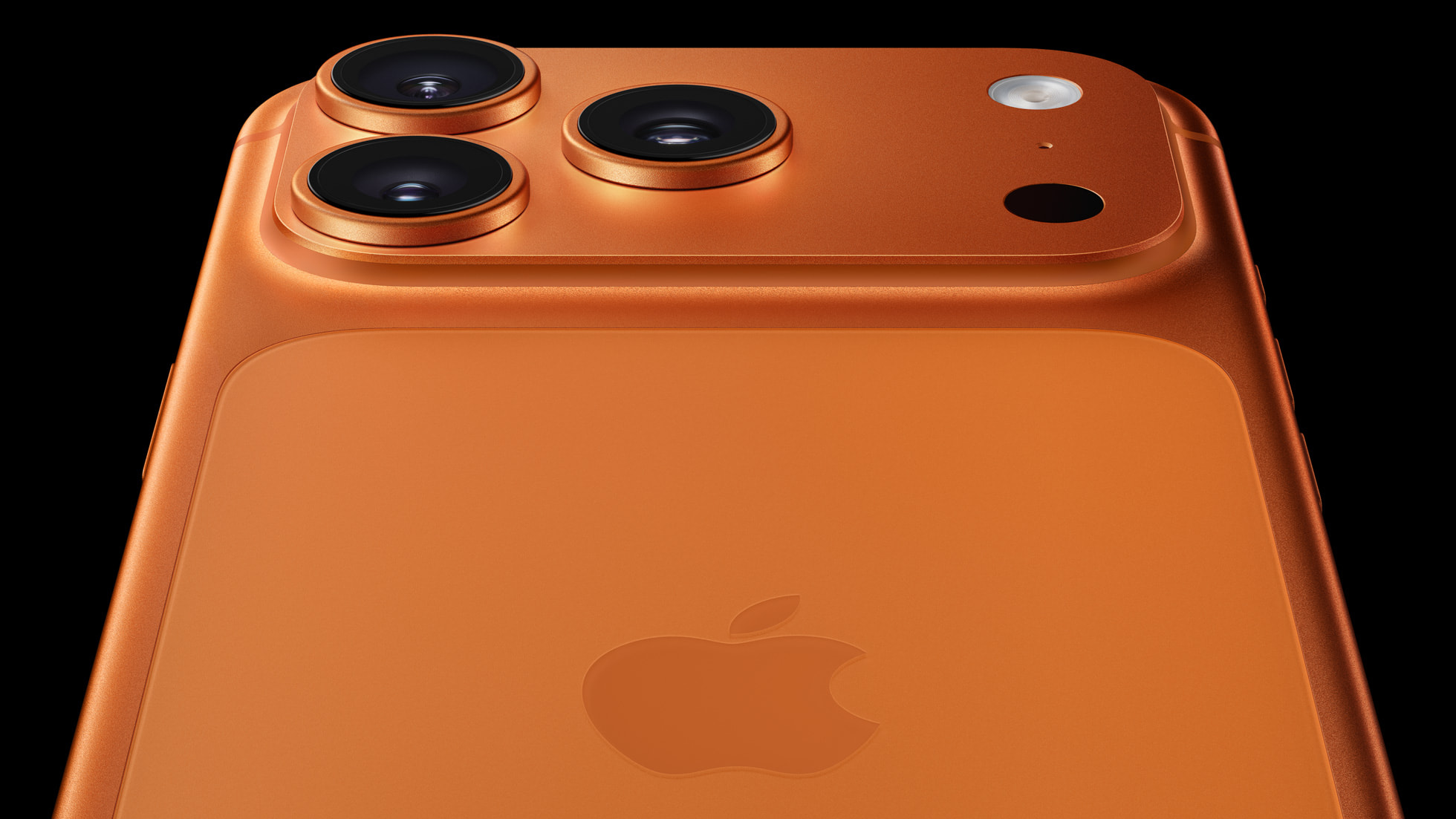
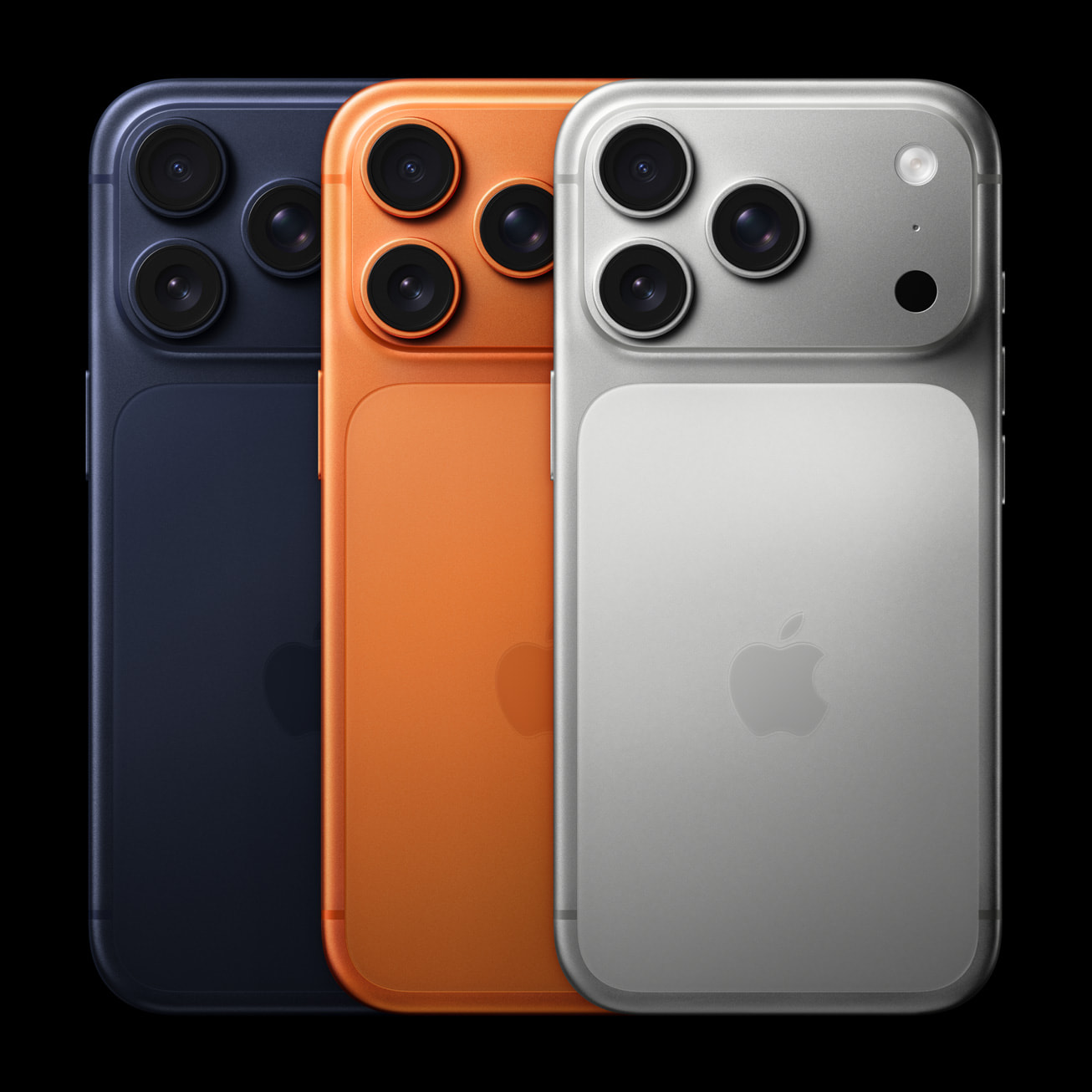
Design: Apple is introducing a unified Unibody design made of aluminum, which replaces titanium on the Pro models. The camera module is now larger, and the company also introduced new TechWoven cases, replacing the less successful FineWoven.
Processor: All new models are powered by the A19 Pro chip, built on a 3-nanometer process. Apple claims it’s 40% more powerful than its predecessor and is optimized for On-Device AI models. A new N1 chip is also included to improve Wi-Fi and Bluetooth efficiency.
Camera: This is a major highlight. All three lenses on the Pro models now have a 48MP resolution. The telephoto lens received a massive upgrade, now also at 48MP with 4x optical and 40x digital zoom. The front-facing camera on Pro models has been upgraded to 18MP. Apple used the iPhone 17 Pro to film the entire event, showcasing its video capabilities, and also introduced a new Dual-Capture-Video mode.
Display: Peak brightness has reached 3,000 nits, which significantly improves visibility in direct sunlight.
Storage: The base storage for standard models now starts at 256GB, and a new 2TB version has been added to the lineup.
Battery: Despite the thinner body of the iPhone Air, Apple promises improved battery life. The Pro models feature a new cooling system to ensure stable performance.
Photo: apple.com
Pricing Strategy: Global Market and Local Realities
Apple made a strategic decision to keep prices on par with previous models, despite trade wars and tariffs imposed by the Donald Trump administration. The base iPhone 17 starts at $799, while the iPhone 17 Pro begins at $1,099. This move suggests the company is willing to absorb some of the costs to remain competitive in key markets, especially the U.S.
Experts from IDC and PP Foresight believe this is a tactic to prevent a decline in consumer demand, which could be weakened by tariffs and economic instability. This stable pricing also allows Apple to compete effectively with tech giants like Samsung and Google, which are aggressively promoting their AI-powered flagship phones.
Prices in Europe and Germany: Prices in the EU are traditionally higher due to VAT being included. In Germany, for example, the iPhone 17 Pro starts at €1,299 (including 19% VAT), whereas the same model costs $1,099 in the U.S. before sales tax.
Situation in Ukraine: The official launch in Ukraine is expected in late September. However, as is common, some online stores and private sellers are already taking pre-orders at significantly inflated prices. The cost of iPhones in Ukraine is always higher due to VAT, customs duties, logistics, and certification costs, as well as fluctuations in the hryvnia’s exchange rate. Official prices will be announced closer to the launch date by verified retailers.
Photo: macrumors.com
AI, eSIM, and the Battle for the Chinese Market
The presentation showed that Apple is not yet fully committed to the AI race, relying on a partnership with OpenAI. This is a noticeable contrast to Google, which actively uses its Gemini models to showcase its latest features.
Furthermore, the iPhone Air has ditched the physical SIM card slot, signaling another step toward a full transition to eSIM. The introduction of the slim iPhone Air and rumors of a foldable phone suggest Apple’s priority is to regain lost ground in the Chinese market, where local brands and foldable devices are highly popular.