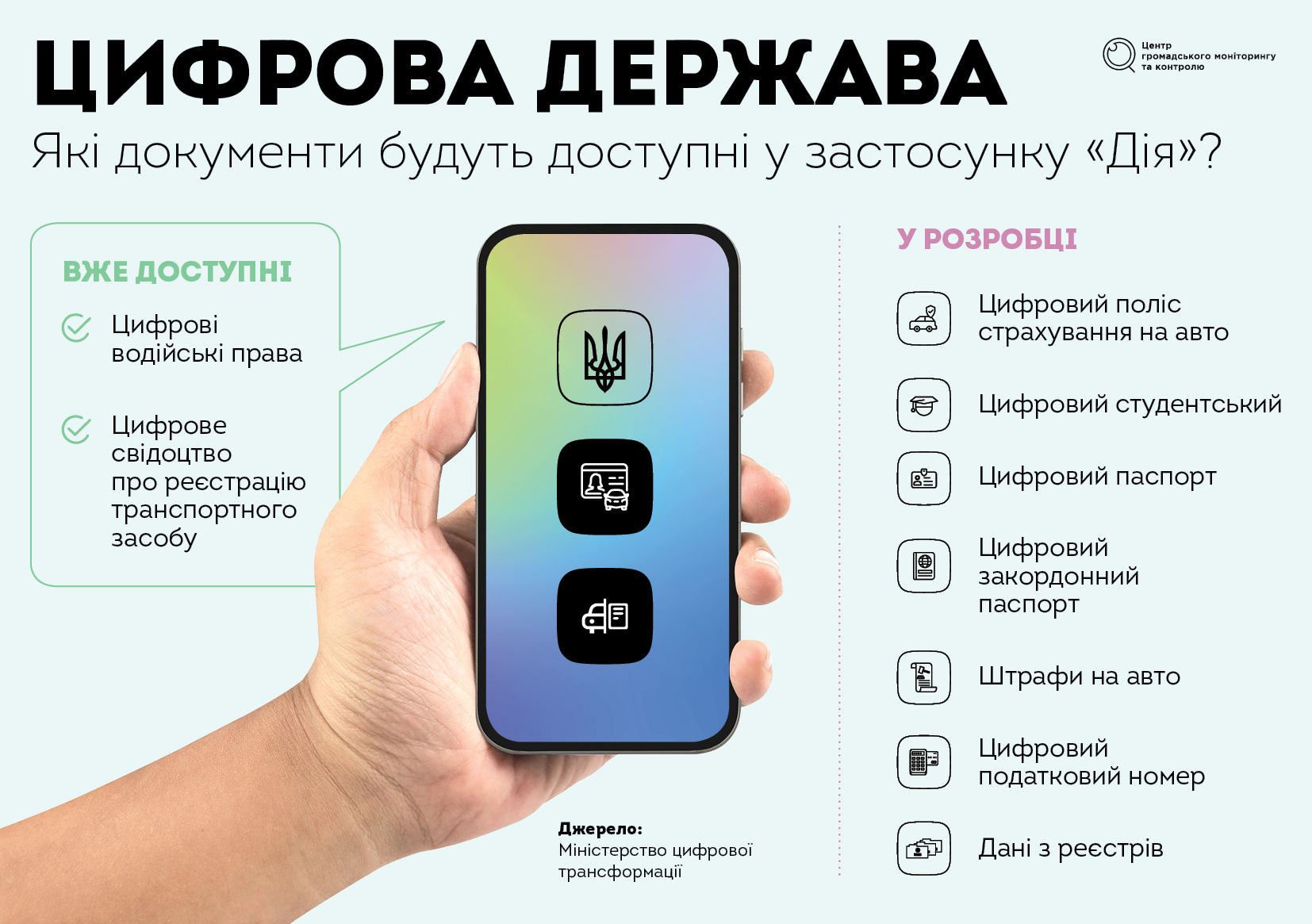
The Ukrainian Diia app has become a benchmark for a digital state: ID cards, business registration, taxes, fines — all in one smartphone. But how does Europe compare? Let’s look at several countries that are developing or using services similar to Diia and see how their approaches compare to Ukraine’s.
Germany is on the path of implementing the ID Wallet under the European Digital Identity Wallet (EUDI-Wallet) framework. This digital wallet is part of the eIDAS 2.0 reforms, aiming to standardize digital identification across EU member states. However, implementation is still slow. Federalism, a complex governmental structure, and the need to align security standards across federal, state, and municipal levels mean the project remains in testing and prototype phases. Despite this, pilot programs and discussions on technical standards are ongoing, with Germany preparing to meet EU requirements by 2026–2027.
Poland already has a working digital app, mObywatel, which combines electronic documents, ID cards, fines, driver’s licenses, and prescriptions. By 2026, mObywatel is expected to integrate into the new EUDI-Wallet framework, moving from a national solution to one interoperable with other EU countries. Millions of Polish citizens already use mObywatel to access government services online, and the app continues to evolve, adding new features to comply with digital identity requirements.
France is advancing digital identification through France Identité, which allows users to verify their identity online, manage digital versions of ID documents, and access government services. The app is currently in beta or limited regional release, gradually integrating with national services. It also supports NFC-enabled ID verification and generates one-time digital confirmations instead of physical ID copies, enhancing both convenience and security.
Estonia operates mRiik (MyState), a digital citizen portal for signing documents, submitting requests, and accessing government services online.
Lithuania has e-government platforms, including the eGovernment Gateway, which integrates social, tax, and health services.
Finland uses Suomi.fi, a central portal providing both citizens and businesses access to online government services.
While infrastructure and integration levels differ, all these countries are moving toward unified, user-friendly services, albeit at varying speeds and with different priorities.
Ukraine’s Diia is already used by millions daily for tax declarations, ID verification, business registration, and electronic signatures — all in one app or web interface.
Key advantages of Diia over European equivalents:
Centralization: Multiple services combined in a single app covering identification, signatures, and administrative tasks.
Rapid scalability and innovation: New features, such as business registries and COVID services, are deployed quickly.
Readiness of institutions and citizens: Both government structures and citizens have adopted digital formats in daily life.
While most European digital ID services are still being developed in phases, Diia operates fully, providing accessible and practical solutions to the public. European equivalents to Diia exist, and some are advanced. However, none currently match the depth of integration, reach, and flexibility of Ukraine’s Diia. For the business community, this gap creates opportunities: increased demand for digital tools, fintech solutions, and services that can integrate with digital platforms. If the EU wants to catch up with Ukraine in digital transformation speed, there is still a long road ahead.

